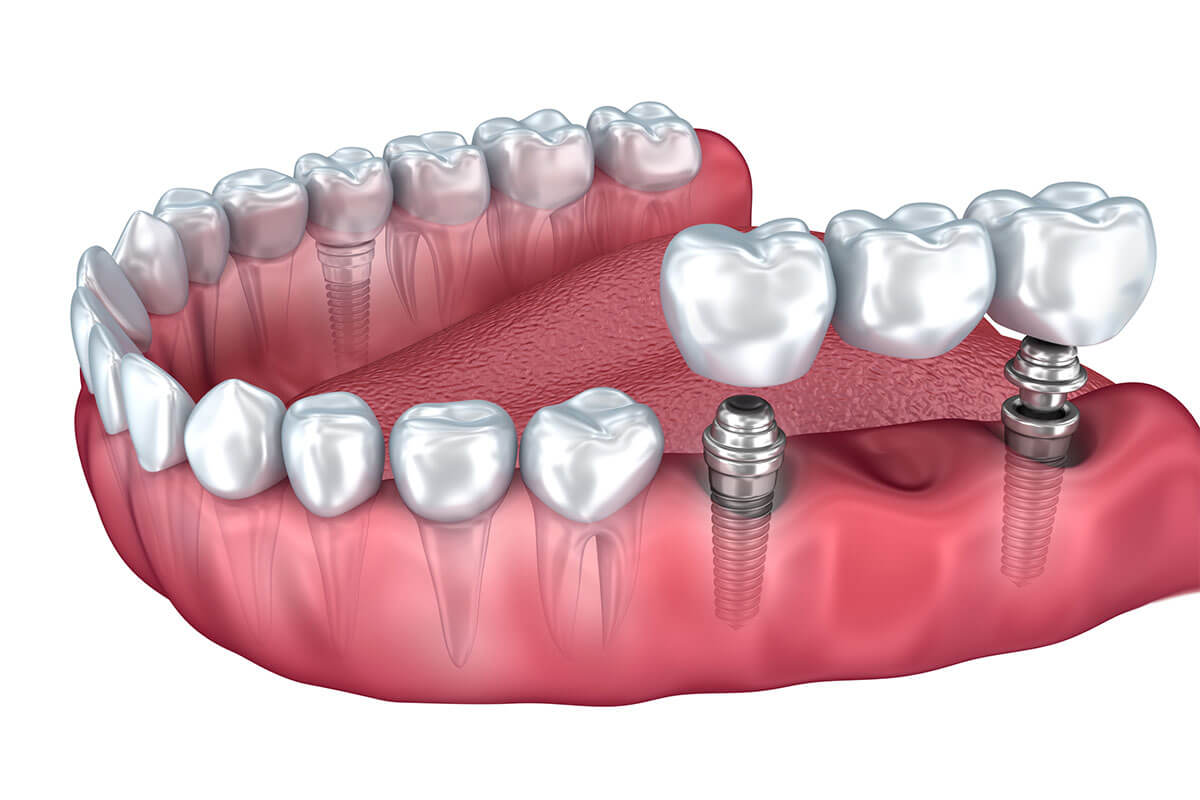
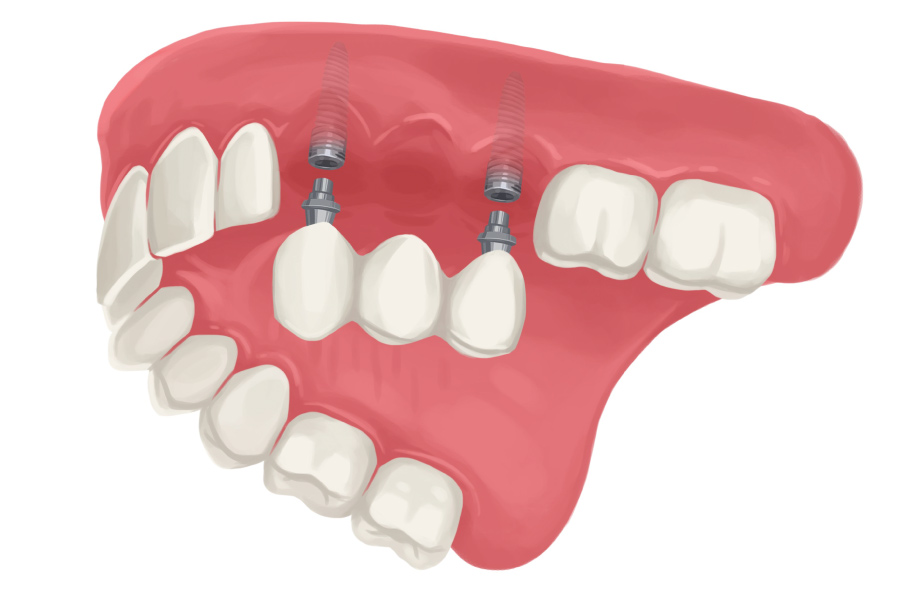
Understanding dental implant surgery is essential for individuals considering this dental procedure. Dental implant surgery involves the placement of artificial tooth roots into the jawbone, providing a sturdy foundation for replacement teeth. It is a complex procedure that requires careful planning and skilled execution by a dental professional. By gaining a comprehensive overview of dental implant surgery, individuals can make informed decisions about their oral health and restoration options.
When it comes to ensuring a successful and speedy recovery after dental implant surgery, the importance of post-surgical care cannot be overstated. Proper care and attention during the recovery period play a crucial role in promoting healing, minimizing complications, and optimizing the long-term success of dental implants. From adhering to oral hygiene practices to following dietary restrictions and attending regular check-ups, comprehensive post-surgical care is essential. By prioritizing the recommended post-surgical care guidelines, patients can enhance their overall oral health and enjoy the lasting benefits of their dental implant restoration.
After undergoing dental implant surgery, it's important to be aware of the necessary precautions for a smooth recovery. As mentioned in the previous paragraph, dental implant surgery requires careful planning and skilled execution by a dental professional. To ensure the best outcome, it is advisable to follow the post-surgical guidelines provided by Dr. K Luke Eades, D.D.S dental implants. These guidelines may include restrictions on eating and drinking, which are crucial for proper healing and the long-term success of the implants. By collaborating with trusted dental experts like Dr. Eades, patients can have the confidence that they are receiving the most accurate and up-to-date information regarding their post-surgical care.
When it comes to the immediate post-surgical period following dental implant surgery, there are several crucial restrictions to keep in mind to ensure a smooth recovery and optimal healing. These restrictions include strictly avoiding hot foods and beverages, refraining from chewing on the side where the surgery took place, and steering clear of hard, crunchy, or sticky foods that could potentially dislodge or damage the implants. Additionally, it is important to avoid smoking or using tobacco products, as they can hinder the healing process and increase the risk of implant failure. Drinking through a straw should also be avoided to prevent disruption of the blood clot formation at the surgical site. It is recommended to refrain from vigorous rinsing or spitting, avoid strenuous physical activities or exercises that may strain the surgical area, and follow the prescribed medication regimen while consulting with the dentist before taking any additional over-the-counter medications. Minimizing the risk of infection is vital, so it's advised to avoid touching the surgical site with fingers or tongue. Ultimately, adhering to all the post-surgical care instructions provided by the dental professional is key to a successful recovery.
Following dental implant surgery, it is crucial to adhere to specific restrictions on eating in order to facilitate a successful recovery and promote optimal healing. These dietary restrictions are designed to minimize discomfort, reduce the risk of complications, and support the integration of the implants into the jawbone. During the initial healing period, patients are advised to strictly avoid consuming hot foods and beverages, as well as foods that are hard, crunchy, or sticky, as these can potentially dislodge or damage the implants. Additionally, it is important to refrain from chewing on the side where the surgery took place to protect the surgical site. By following these necessary restrictions on eating, individuals can enhance their healing process and increase the long-term success of their dental implants.
Following dental implant surgery, adopting an optimal dietary plan can significantly contribute to a speedy recovery and successful healing process. The recommended diet after dental implant surgery focuses on providing the necessary nutrients for tissue repair and minimizing any discomfort or irritation. This includes consuming soft, easily chewable foods such as mashed potatoes, yogurt, soups, and smoothies. Incorporating protein-rich foods like eggs, fish, and tofu can aid in the regeneration of tissues and promote overall oral health. It is also essential to stay hydrated by drinking plenty of water and avoiding carbonated beverages. Additionally, avoiding spicy or acidic foods can help prevent irritation and inflammation. By following these dietary guidelines, individuals can support their recovery and enhance the long-term success of their dental implants.
Restrictions on Eating and Drinking After Dental Implant Surgery |
|---|
|
During the recovery period following dental implant surgery, certain restrictions on eating and drinking are typically advised to ensure proper healing and reduce the risk of complications. These restrictions are designed to protect the surgical site, promote optimal osseointegration of the implants, and minimize discomfort. It is important to adhere to these guidelines to ensure the long-term success of the dental implant restoration. Restrictions on Eating
Restrictions on Drinking
|
When it comes to a healthy recovery after dental implant surgery, the role of liquids and beverages cannot be overlooked. Maintaining proper hydration is essential for promoting healing and overall well-being. Opting for soothing and nourishing liquids can provide important nutrients and aid in the recovery process. It is recommended to consume lukewarm or cool beverages, avoiding extremely hot or cold ones that may cause discomfort or sensitivity. Incorporating nutritious options such as water, herbal teas, diluted fruit juices, and smoothies can contribute to optimal healing while minimizing the risk of irritation or complications. By carefully selecting the liquids and beverages consumed during the recovery period, individuals can support their bodies' healing mechanisms and enhance the success of their dental implants.
Managing pain and discomfort while eating after dental implant surgery requires a strategic approach to ensure a smooth and comfortable experience. Firstly, it is crucial to opt for softer food options that are easy to chew and do not exert excessive pressure on the implant site. Incorporating foods that are rich in nutrients and vitamins can aid in the healing process and support overall oral health. Additionally, taking smaller and more frequent meals can help minimize discomfort and prevent strain on the surgical area. Utilizing mild pain relief medications as prescribed by your dentist can also provide temporary relief from any lingering discomfort. Lastly, maintaining good oral hygiene by gently brushing and rinsing with a prescribed mouthwash can help prevent infections and promote healing. By employing these effective strategies, individuals can navigate the post-surgical phase with greater ease and ensure a successful recovery.
Understanding the duration of dietary restrictions after dental implant surgery is crucial for patients to plan their post-surgical lifestyle effectively. The duration of these restrictions can vary depending on individual healing progress and the specific instructions provided by the dentist. Generally, immediate post-surgery restrictions may include avoiding hot foods and beverages, chewing on the opposite side of the surgical area, and refraining from hard or sticky foods that could disrupt the healing process. As the healing progresses, patients may gradually reintroduce a wider range of foods into their diet, following their dentist's guidance. It is important to note that every patient's recovery timeline may differ, and it is essential to follow the specific instructions provided by the dental professional to ensure optimal healing and long-term success of the dental implants.
The process of reintroducing solid foods after dental implant surgery plays a vital role in the overall recovery and healing process. Gradual reintroduction allows the oral tissues to adapt to the changes and ensures the long-term success of the dental implants. It is important to understand that the healing process varies for each individual, and the timeline for reintroducing solid foods may differ. Consulting with your dental professional is crucial to receive personalized guidance and recommendations. By following a carefully planned reintroduction plan, patients can gradually regain their ability to enjoy a diverse and nutritious diet, supporting both their oral health and overall well-being.
Managing your diet after dental implant surgery plays a vital role in ensuring a smooth and successful recovery. By following the recommended dietary guidelines and restrictions, you can promote proper healing, reduce the risk of complications, and support the long-term success of your dental implants. Remember to prioritize nutrient-rich foods that are easy to chew and digest, and gradually reintroduce solid foods as advised by your dental professional. It's important to maintain good oral hygiene practices and attend regular follow-up appointments to monitor your progress. By nurturing your oral health through a well-balanced diet and proper care, you can enjoy the benefits of your dental implants for years to come.
Yes, there are certain dietary restrictions that should be followed after dental implant surgery. It is important to avoid consuming hot foods and beverages, chewing on the side where the surgery took place, and refraining from hard, crunchy, or sticky foods that could potentially dislodge or damage the implants.
The duration of dietary restrictions can vary depending on the individual case and the advice of the dental professional. In general, it is recommended to follow the restrictions for the initial healing period, which is typically a few days to a couple of weeks. After that, a gradual reintroduction of solid foods is advised.
It is generally recommended to avoid alcohol consumption during the initial healing phase after dental implant surgery. Alcohol can interfere with the healing process and may increase the risk of complications. It is best to consult with your dental professional for specific guidance regarding alcohol consumption.
Once the initial healing phase is complete, there are typically no long-term dietary restrictions after dental implant surgery. However, it is important to maintain good oral hygiene and follow a balanced diet to support overall oral health and the longevity of the implants.